 Image 1 of 4
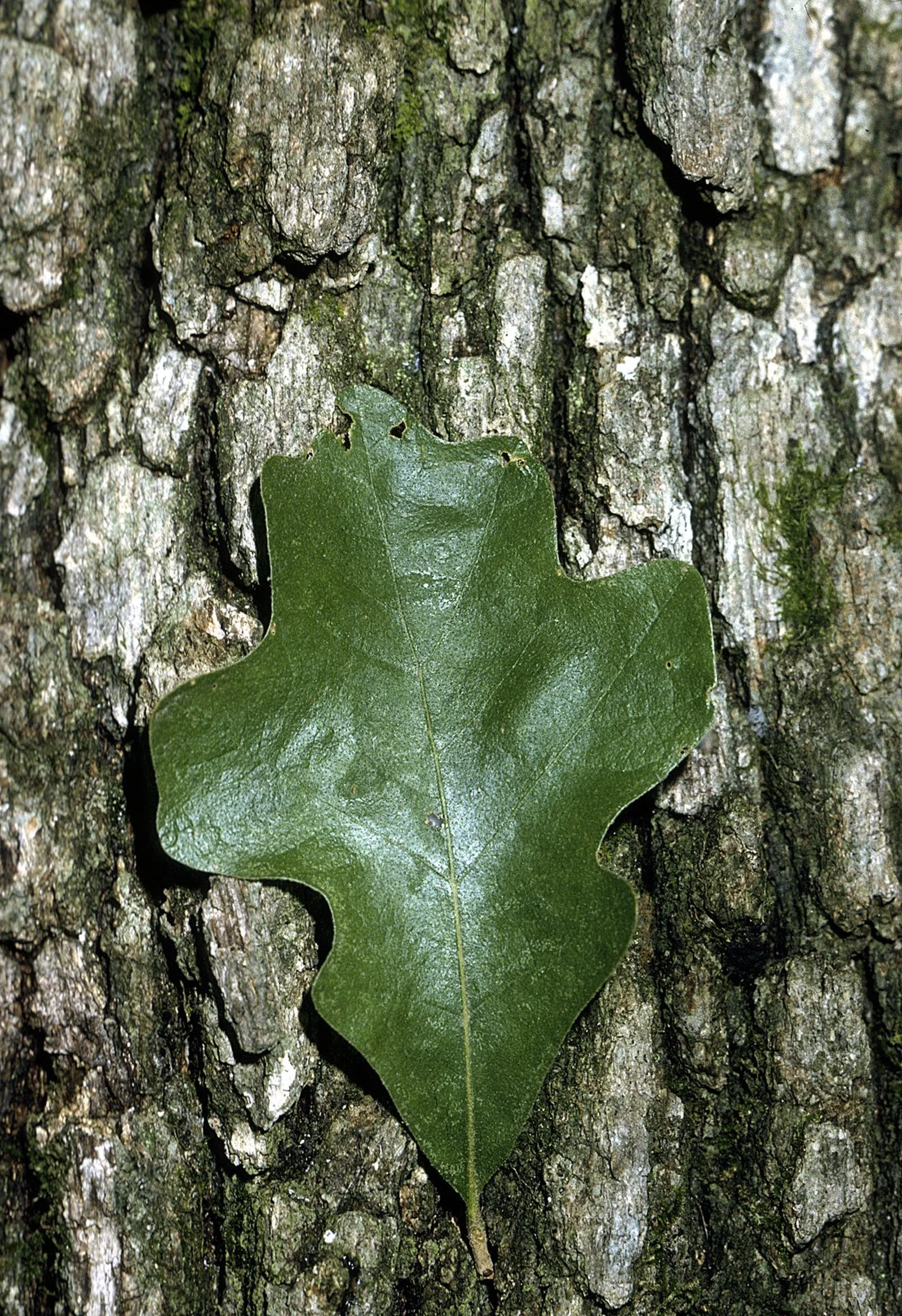 Image 2 of 4
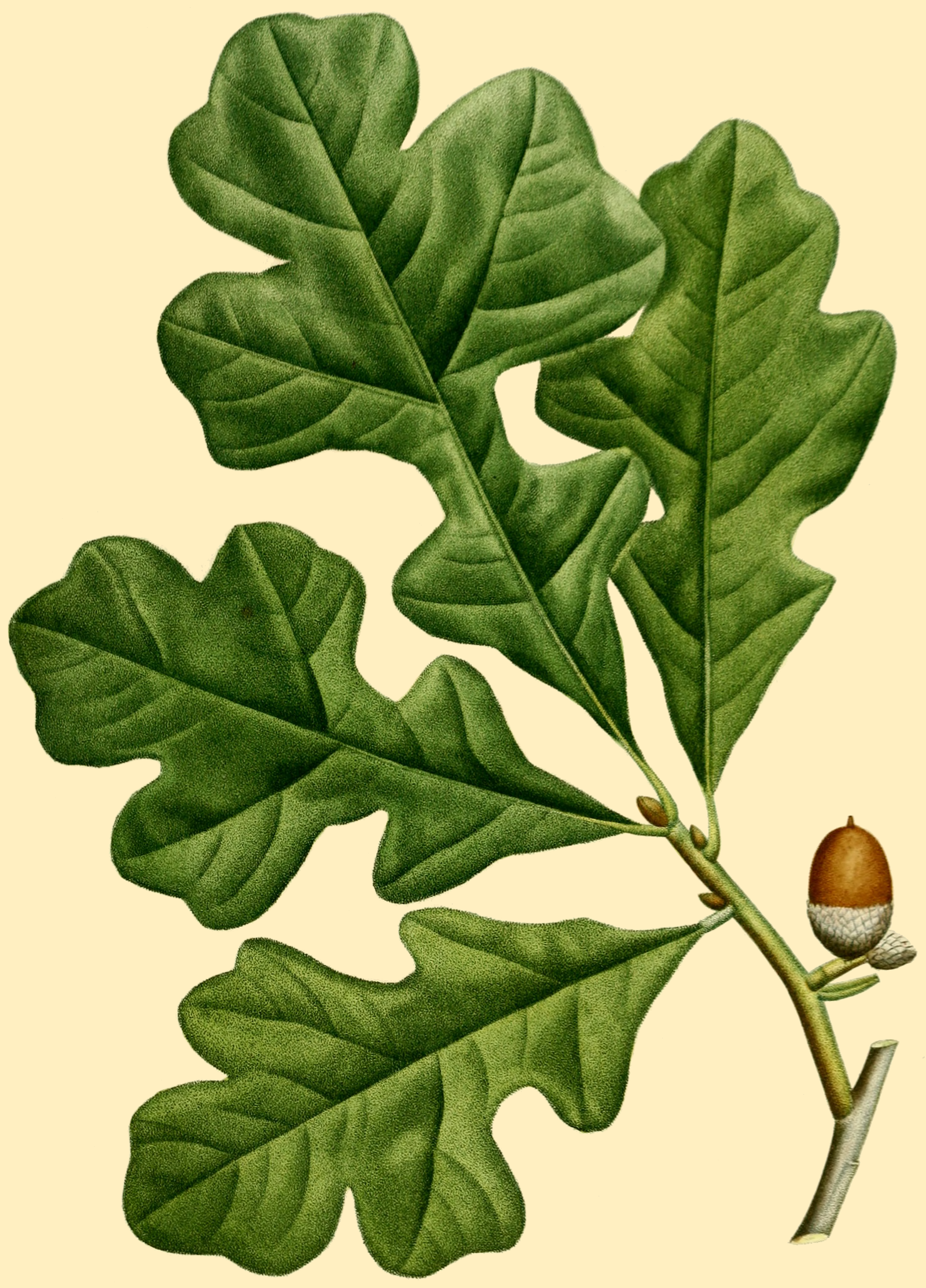 Image 3 of 4
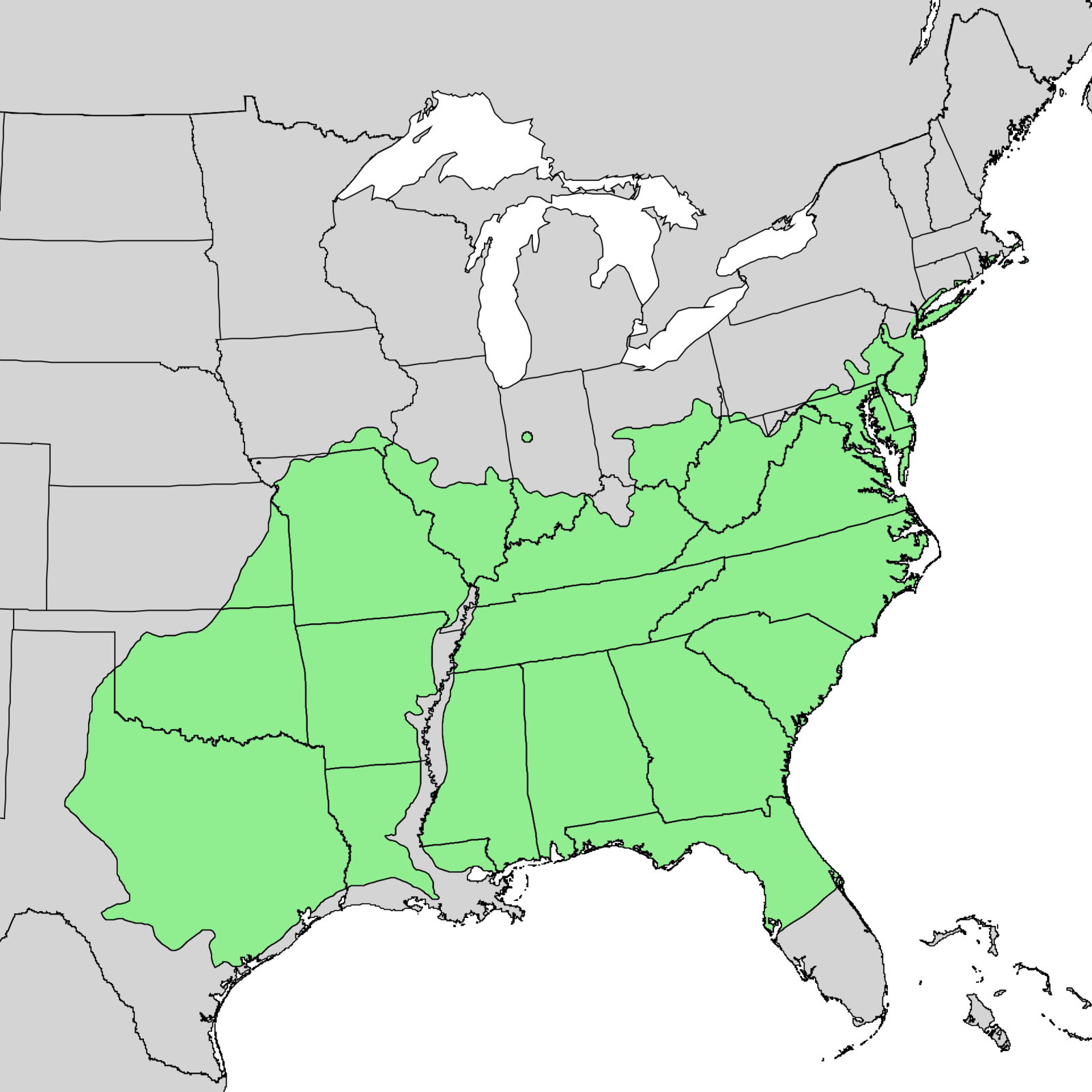 Image 4 of 4
Host plant for 488 caterpillar species *Keystone species
Selling first year local eco type Post oaks. Grown from acorn. Mother tree is located in Midland, NC.
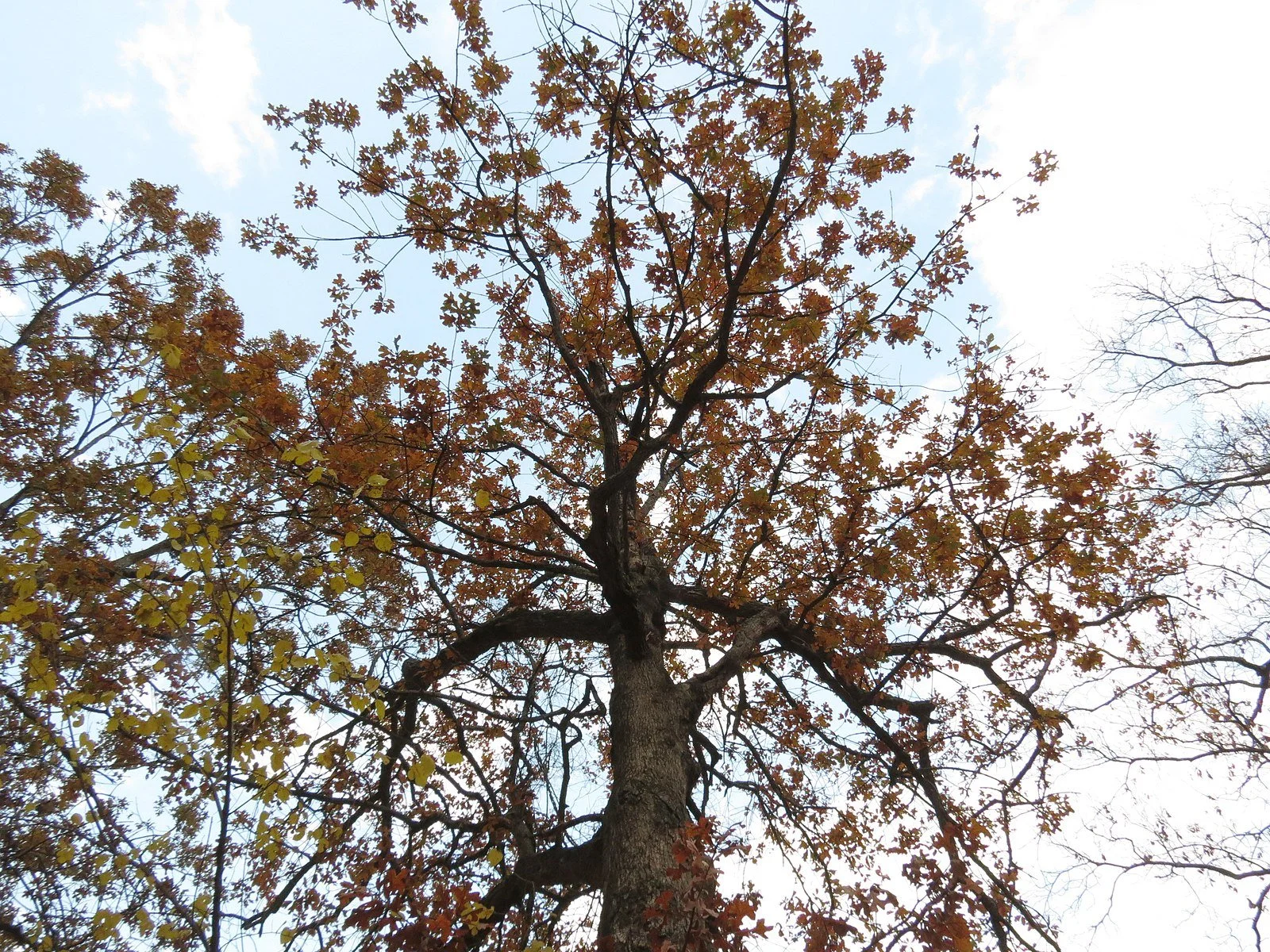
The post oak was once common tree throughout our area. However, with development and the loss of our natural grasslands, and farmland. The slow growing Post oak has been out competed, by faster growing more shade tolerant species. In the past Post oaks were planted near houses because they are extremely tough and resistant to wind damage. If you have a sunny location, please consider planting a beautiful post oak.
This oak can grow to be 40-50 feet tall and wide. It prefers full sun exposure and well-draining soil that's slightly acidic. Its bark is dark and blocky, and its leaves have a distinctive shape that's sometimes described as "cross-shaped."
The Post Oak is sometimes called the "iron oak" because of its extremely dense wood, which is resistant to rot and insect damage. (Source: Texas A&M Forest Service)
Host plant for 488 caterpillar species *Keystone species
Selling first year local eco type Post oaks. Grown from acorn. Mother tree is located in Midland, NC.
The post oak was once common tree throughout our area. However, with development and the loss of our natural grasslands, and farmland. The slow growing Post oak has been out competed, by faster growing more shade tolerant species. In the past Post oaks were planted near houses because they are extremely tough and resistant to wind damage. If you have a sunny location, please consider planting a beautiful post oak.
This oak can grow to be 40-50 feet tall and wide. It prefers full sun exposure and well-draining soil that's slightly acidic. Its bark is dark and blocky, and its leaves have a distinctive shape that's sometimes described as "cross-shaped."
The Post Oak is sometimes called the "iron oak" because of its extremely dense wood, which is resistant to rot and insect damage. (Source: Texas A&M Forest Service)